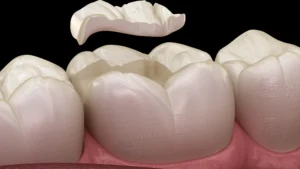

Most people ask this question with a knot in their stomach. Maybe a friend had a bad one. Maybe you did. So here’s the honest answer.
For most people, a root canal feels like a long filling. You feel pressure and vibration, not sharp pain. But most isn’t all. Some teeth are harder to numb, and it’s better to know that going in than to find out in the chair.
Does a Root Canal Hurt? Usually NOT
A survey by the American Association of Endodontists found that people who’ve had a root canal are six times more likely to call it painless than people who haven’t. That gap says a lot. Much of the fear comes from stories, not from the procedure.
The pain most people remember is the toothache that sent them in. A root canal is what ends it. Our root canal treatment page covers the basic steps. This post covers the part most pages skip.
Why Some Teeth Are Harder to Numb
A tooth with an inflamed nerve is sometimes called a hot tooth. It can be harder to numb than a healthy one. The AAE’s guidance for dentists on local anesthesia says inflamed tissue can make standard numbing less reliable. It also notes that patients who are in pain are often anxious, which lowers their pain threshold.
Lower back molars are the classic example. They’re usually numbed with a shot that blocks a large nerve on that side of the jaw. The same AAE guidance notes that a numb lip doesn’t prove the tooth itself is numb.
If you’ve felt pain during a procedure like this before, that’s likely what happened. People on dental anxiety forums describe it again and again, and it comes up in dental reviews around Rexburg too. It doesn’t mean you’re weak or dramatic. It means the tooth needed more numbing than it got.
What You Can Ask For
A good visit starts with a numb tooth, not just a numb lip. Here’s what you can ask for at any visit, including ours:
- A check that the tooth itself is numb before any work starts.
- More numbing if you feel sharp pain, plus a pause while it takes effect.
- A hand signal to stop, agreed on before the work begins.
- A few minutes to settle down first if you're anxious.
Tell us before we start if numbing has been hard for you in the past. The AAE guidance says that history is worth asking about, because it helps predict who needs extra numbing. It isn’t a complaint. It’s useful information.
If nerves are the bigger problem, ask about nitrous oxide. It’s the laughing gas many people remember from childhood visits. It takes the edge off while you stay awake and can still talk with us. For patients who need more help relaxing, we also offer conscious sedation.
Why Waiting Can Make It Harder
It’s tempting to wait and hope the toothache fades. Sometimes the pain does ease up for a while. That doesn’t mean the infection is gone.
Waiting has another cost. An inflamed tooth can be harder to numb, so coming in before it flares up can make the visit easier. It also keeps a simple problem from turning into a swollen one.
Questions to Ask Before Your Root Canal
- How will you check that the tooth is numb before you start?
- How many visits will it take?
- Will this tooth need a crown afterward?
- What should I do if the pain gets worse after the visit?
What It Feels Like During the Visit
Once you’re numb, expect pressure, some vibration, and the sound of the tools. A thin rubber sheet goes over the tooth to keep it clean and dry. Your jaw may get tired from staying open, so ask for a break when you need one.
Most cases take one or two visits. Back teeth often need a crown afterward to keep them from cracking.
How Much It Hurts Afterward
Some soreness afterward is normal. The area around the root was irritated before treatment started, and it takes a few days to settle. Most people handle it with over-the-counter pain relief.
Call us if you notice any of these:
- Pain that gets worse after the first few days instead of better.
- New swelling in your gum or face.
- A bite that feels high, like that tooth hits first.
- A temporary filling that falls out.
- Pain that over-the-counter medicine doesn't touch.
A high bite is usually a quick fix. Left alone, it can keep the tooth sore for weeks.
Would Pulling It Hurt Less?
Some people ask to have the tooth pulled instead, hoping it’ll hurt less. It isn’t that simple. An extraction leaves a healing socket, and a lost blood clot can lead to a painful dry socket. A missing tooth also brings its own choices later. Our tooth extractions page covers what that recovery looks like.
Root Canal Pain FAQs
Dreading a root canal? Call Family First Dental at (208) 400-9946 or book online. Tell us if numbing has been hard for you before, and we’ll plan for it.
Is a root canal more painful than a filling?
For most people it feels about the same, just longer. You’ll feel pressure and vibration. If you feel sharp pain, say so, and the tooth can get more numbing.
Why did my last root canal hurt?
Often the tooth wasn’t fully numb. Inflamed teeth, especially lower molars, can need more numbing than usual. Tell your dentist next time so they can plan for it.
Can I have nitrous oxide for a root canal?
Ask when you book. Nitrous helps you relax while you stay awake. It doesn’t replace numbing, but it can make the visit easier. Call (208) 400-9946.
How long will I be sore afterward?
Usually a few days, and it should get better each day. If it gets worse, or you see swelling, call us.