

Types of Dentures
Dentures in Rexburg, ID — Restore Your Smile and Your Confidence
Missing teeth make it hard to eat, speak, and smile with ease. Dentures fix that. They replace missing teeth so you can chew your food, say what you mean, and feel good in photos again. At Family First Dental in Rexburg, we fit dentures that look natural and stay comfortable.
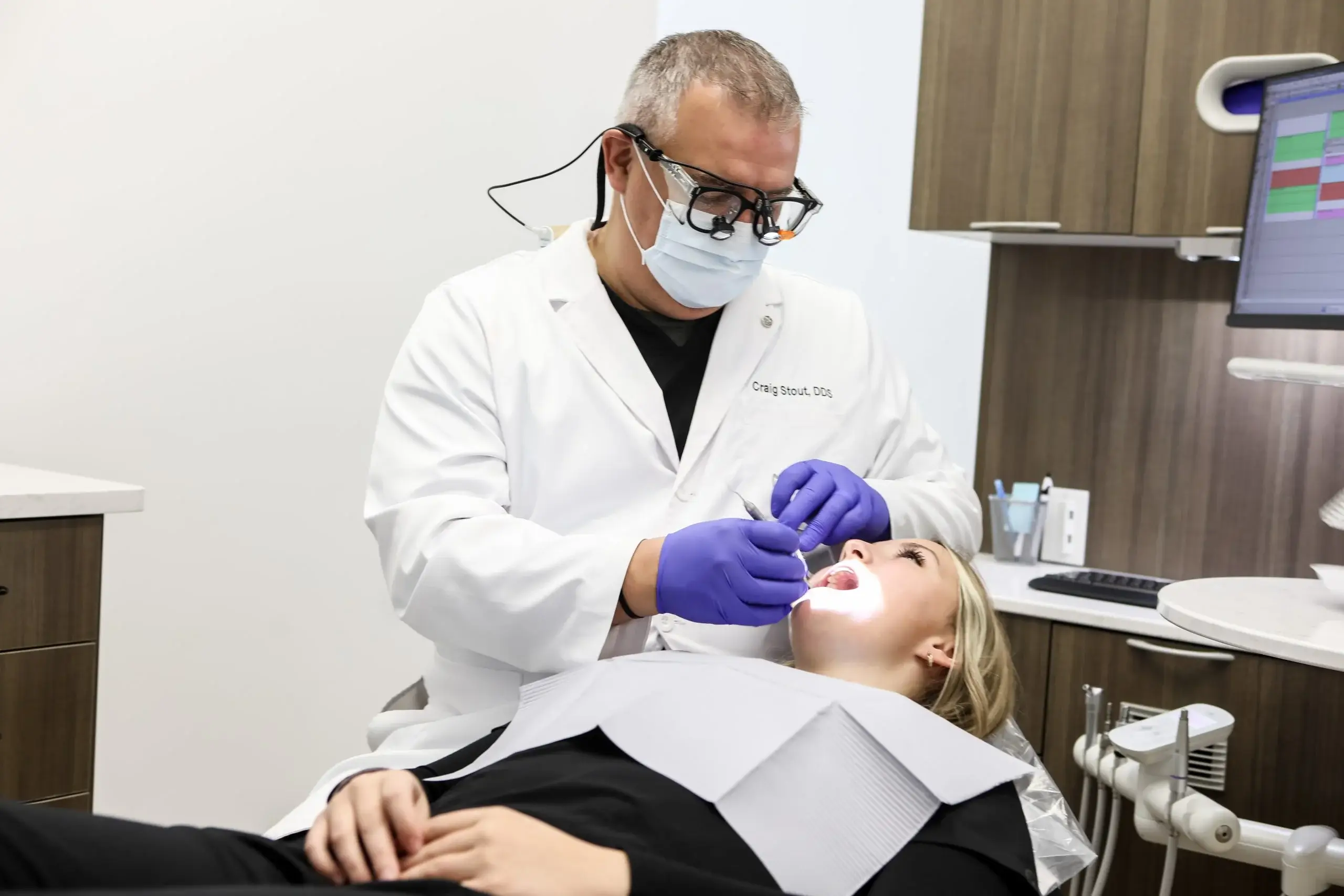
Dr. Craig Stout has helped patients replace teeth for 20 years. He takes time to find the right option for your mouth and your budget. You will see your X-rays on a screen in the room, so you know exactly why he suggests one path over another.
Types of dentures we offer
Full dentures replace a whole row of teeth, top or bottom. They rest on your gums and come out for cleaning. We shape them to fit your face and bite.
Partial dentures work when you still have some healthy teeth. They fill the gaps and clip onto the teeth you keep. This stops your other teeth from drifting out of place.
All-on-4 dentures are a fixed option. We place four implants in the jaw. A full set of teeth attaches to them. These do not come out at night, and they do not slip while you eat. Many patients say they feel close to natural teeth.
Which option is right for you
The best choice depends on how many teeth you are missing, the health of your gums and jawbone, and your budget. Traditional dentures cost less up front and need no surgery. Implant dentures cost more but stay put and protect the bone in your jaw.
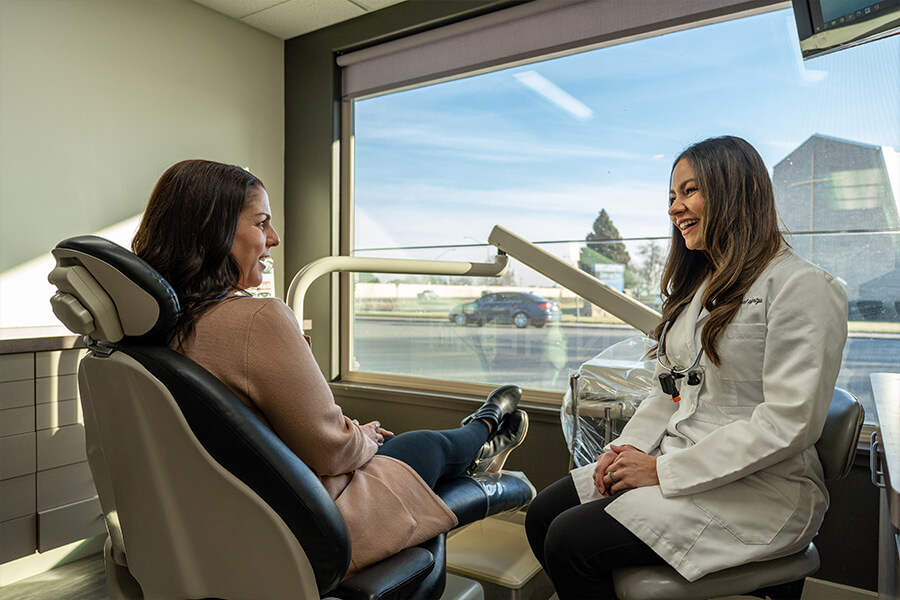
You do not have to figure this out alone. Dr. Stout will look at your mouth, explain the trade-offs, and help you pick what fits your life.
What to expect
Your first visit starts with an exam and X-rays. Dr. Stout checks your gums, your bite, and any teeth that remain. Then he explains your choices in plain words.
Next we take impressions of your mouth. The lab uses these to build a set that fits you. You come back for a fitting, and we adjust the shape until it feels right.
New dentures can feel odd for a week or two. That is normal. Your mouth needs time to get used to them. Small sore spots are easy to fix with a quick adjustment.
Living with dentures
Eating takes a little practice at first. Start with soft foods cut into small pieces. Chew on both sides to keep the denture stable. Most people are back to normal meals within a few weeks.
Speaking feels different for a few days too. Reading out loud at home helps you adjust faster.
Caring for your dentures
Take removable dentures out at night and clean them each day. Brush them gently and soak them as we show you. Rinse your mouth and gums too.
Gums change shape over the years. A denture that fit well can loosen with time. We check the fit at your visits and reline or replace it when needed.
All-on-4 teeth get cleaned like natural teeth. You brush daily and keep up your regular checkups.
Cost and payment
The price depends on the type you choose and how many teeth you replace. We go over the full cost before any work begins.
New patients get a $134 cleaning with a free exam and X-rays. If you need help spreading out the cost, we offer payment plans through Cherry and WellCredit.
Get a plan that fits
You do not have to hide your smile. Call Family First Dental at (208) 400-9946 or book online. Dr. Stout will lay out your options and let you decide.
How long dentures last
Most dentures last five to ten years. Your mouth slowly changes shape, so the fit shifts over time. We reline or remake them when they no longer fit well. Come in if yours feels loose, rocks, or rubs a sore spot.
A few common questions
Some patients get an immediate denture the same day teeth are removed, so they never go without teeth. Others heal first and get a fitted set after. Dr. Stout will tell you which makes sense for you.
A well-made denture often needs little or no adhesive. If yours only stays put with a lot of glue, the fit likely needs a check.
If a denture cracks or a tooth pops off, do not try to fix it at home. Bring it in. A quick repair is safer and lasts longer than a glue job.
Eating with new dentures
Go slow the first week. Start with soft foods like eggs, soup, and cooked vegetables. Cut food into small bites and chew on both sides at once. Skip very hard or sticky foods until you feel steady. Hot drinks are fine, but sip carefully, since dentures can change how you sense heat. Within a few weeks, most foods feel normal again.
Will anyone notice
Today’s dentures look far more natural than the ones you may remember. We match the shape and color of the teeth to your face, so they blend in. Most people you meet will never know. The goal is a smile that looks like you, not a set of fake teeth. Dentures are one of several tooth-replacement options within our general dentistry care, helping you restore a full, natural-looking smile.
Ready To Schedule Your Appointment?
Our friendly team at Family First Dental is here to help! Contact our office in Rexburg today and let us take care of your dental health.

Frequently Asked Questions
How long do dentures take to make?
Usually a few weeks, with impressions, a fitting, and small adjustments. Immediate dentures can be placed the same day teeth are removed.
Do dentures hurt?
New dentures can feel odd or cause small sore spots for a week or two. Quick adjustments fix that.
Are implant dentures better than regular ones?
All-on-4 dentures stay fixed and protect your jawbone, but they cost more than traditional dentures. Dr. Stout will help you choose.
How much do dentures cost?
It depends on the type and number of teeth. We give you the full price first, and offer payment plans through Cherry and WellCredit.