

Fluoride Free Treatments Services
What Fluoride-Free Treatment Means for a Cleaning Visit
Fluoride free treatments simply mean we skip the fluoride step during your dental cleaning. You still get the same polish, the same plaque and tartar removal, the same close look at your teeth and gums. We just leave out the fluoride varnish or foam at the end. Some folks want this because of well water at home. Others have a medical reason. Some just prefer to keep things simple.
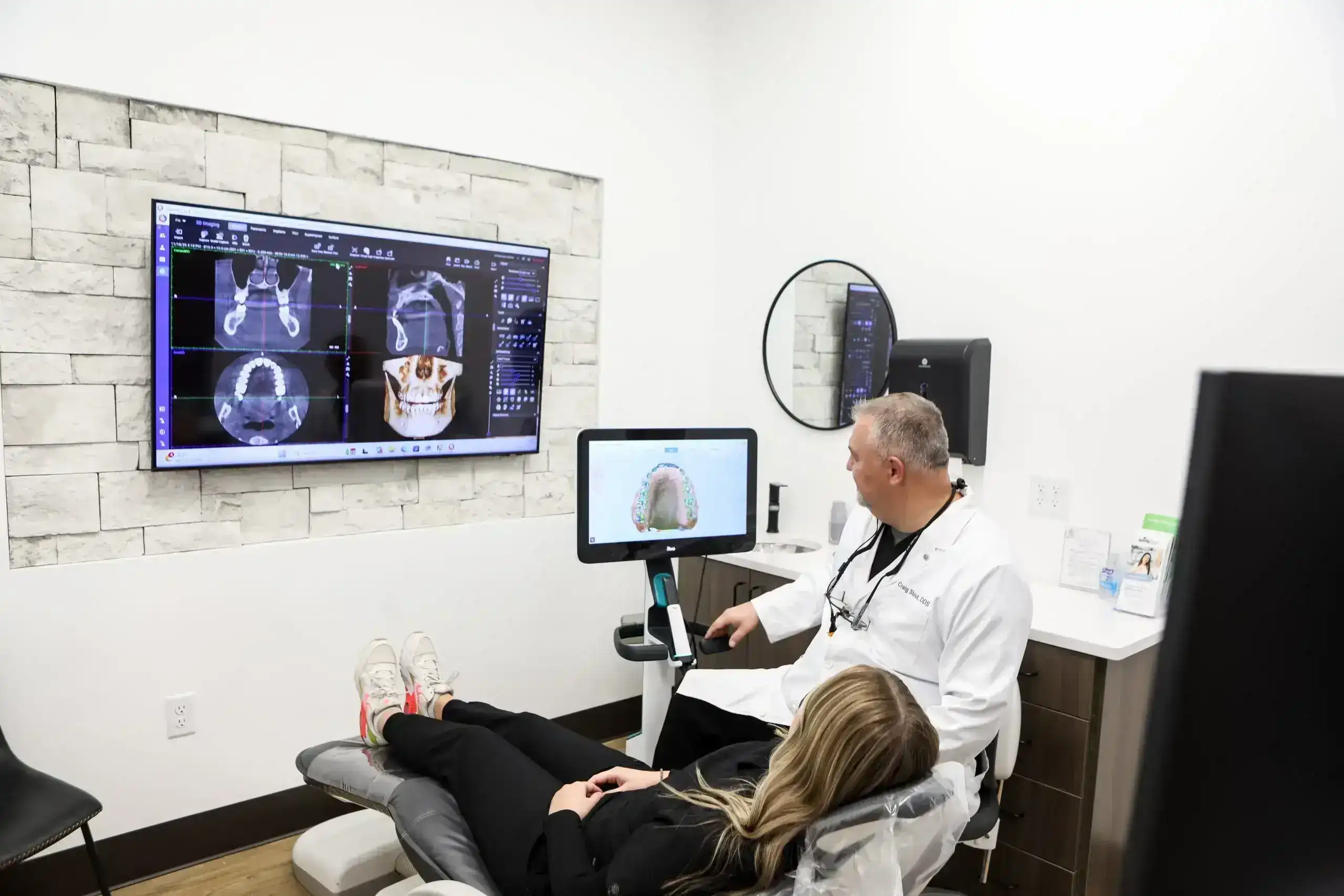
Here’s what changes in the chair. Nothing about the cleaning itself is shorter or less careful. We still take digital X-rays and show you what we see on screen, tooth by tooth. If you’re due for a wider look, we can bring up cone beam imaging too, so you see what’s going on instead of just hearing about it.
So what fills the gap where fluoride would normally go? For most patients, nothing needs to fill it. A good cleaning removes buildup and stops problems before they start. Fluoride is one tool for strengthening enamel, not the only one. We’ll talk with you about brushing habits, diet, and any spots on the X-ray that need watching.
Who Typically Requests Fluoride-Free Care
Most folks who ask about fluoride free treatments in Rexburg fall into a few groups. Parents of toddlers come in worried about swallowed toothpaste. Some adults have a medical condition that limits fluoride intake. And a good number just prefer a more natural approach to their care. We hear all three reasons, often in the same week.
Young families make up a big chunk of these requests. If your child is under two or three, they haven’t learned to spit yet. That’s a real concern, not a small one. Parents want options that feel safer for little mouths still learning the ropes.
We also see adults managing kidney issues or certain thyroid conditions. Their doctor may have flagged fluoride as something to watch. In those cases, a fluoride free path just makes sense, and we’re glad to work around it.
Then there’s the group who simply wants less added to their body. No judgment here. We show you what’s in every product we use, right on screen, so you can decide what fits your family.
Not sure which group you’re in? That’s fine. A lot of patients aren’t sure until we talk it through together. The answer usually becomes clear once we look at your actual risk for cavities using X-rays and a real exam, not guesswork.
College students in town for a semester or two also ask about this, especially those without a long dental history here. They want something simple while they’re only in Rexburg short term. Whatever brings you in, we start with the same $134 new patient exam and X-rays, so we know exactly what your mouth needs before we recommend anything.
When Standard Fluoride May Still Be the Better Choice
Let’s be honest with you. Fluoride free treatments aren’t right for everyone, and we’ll tell you that straight up.
If you’ve got kids with new permanent teeth coming in, standard fluoride still does a job that’s hard to replace. Young enamel is softer. It needs extra help fighting off cavities while it hardens up over the first few years. We see this a lot with school-age patients in Rexburg, many of whom are on well water at home instead of city water. Private wells don’t carry added fluoride the way some municipal supplies do. That daily boost from a dental visit matters more for these families, not less.
Same goes if you’ve had several cavities in the last year or two. High decay risk changes the math. Standard fluoride is well studied, it’s affordable, and it works. Skipping it just to avoid an ingredient isn’t a great trade if your mouth needs the extra protection.
Pregnant patients with heightened cavity risk, folks on medications that dry out the mouth, anyone with exposed root surfaces from gum recession. These are all cases where we’d rather show you the research and let you decide with real information in front of you.
Not sure which camp you fall into? That’s a fair question, and it’s a common one. We’ll pull up your X-rays on screen, walk through your risk level together, and talk about what fits your mouth, not just your preference. Sometimes the honest answer is standard fluoride is still your best bet, and we’d rather tell you that than sell you something you don’t need.
How to Prepare Before Your Appointment
Getting ready for a fluoride free treatment is simple. You don’t need to do much, but a few small steps make your visit smoother.
Patients often ask us the same thing before this visit: do I need to skip anything beforehand? You don’t need to fast or avoid food. Just eat and drink like you normally would, unless we’ve told you otherwise for a different procedure that day.
- Brush and floss like you always do before you leave home.
- Write down any questions you have about fluoride, sensitivity, or your kids’ teeth. Bring the list, don’t rely on memory once you’re in the chair.
- Tell us about any allergies or sensitivities you’ve noticed, especially with toothpaste or mouth rinses.
- If you’re a new patient, come a few minutes early so we can get your paperwork done and your digital X-rays taken without any rush.
- Ask about our free wellness scan if it’s been a while since your last checkup. We’ll explain what we find, right there on the screen.
Here’s something we tell every family who walks through our doors: you don’t need to guess what’s happening in your mouth. We use AI-assisted X-rays and show you the images ourselves, so you see exactly what we see. No hiding behind jargon.
And if mornings don’t work with your schedule, we get it. We offer evening hours Tuesday and Thursday until 7 PM, plus Saturday appointments, so you’re not choosing between your job and your teeth.
What Happens During and After the Visit
Here’s what we do, step by step, so nothing feels like a mystery.
- We start by checking your teeth and gums, and we look at your last set of digital X-rays or take new ones if it’s been a while.
- We clean and dry the areas that need treatment.
- We apply the fluoride free product, usually a gel or varnish made for sensitive mouths.
- We let it sit for the right amount of time. This part is quick.
- We review what we just did, right on the screen, using the same AI-assisted imaging we use for your exam.
That last step matters to us. We don’t just tell you your teeth look good, we show you. You’ll see the same image we’re looking at, so you know exactly what’s going on in your own mouth.
Most people feel normal right away. No numbness, no weird taste lingering for hours. You can eat and drink like usual, though we’ll tell you if your specific treatment calls for a short wait before your next meal.
Some folks ask if there’s anything special to do at home afterward. Usually the answer is simple, just keep brushing and flossing like you already do. We’ll flag anything that needs extra attention while we’ve got the images pulled up.
Book it for a Tuesday or Thursday evening, or a Saturday, and you won’t have to take time off work for this. We keep those hours open specifically so families in Rexburg can get care without missing a shift or pulling a kid out of school. Call (208) 400-9946 when you’re ready, and we’ll find a time that fits your week.
Ready To Schedule Your Appointment?
Our friendly team at Family First Dental is here to help! Contact our office today and let us take care of your dental health.

Frequently Asked Questions
What happens during a fluoride-free cleaning visit?
You get the same full cleaning, just without the fluoride step at the end. We still polish your teeth, remove plaque and tartar, and check your gums closely. We take digital X-rays and show them to you on screen, tooth by tooth. Nothing about the visit feels rushed or incomplete. The only difference is skipping the fluoride varnish or foam most patients get last. Everything else in your appointment stays exactly the same.
What happens after my fluoride-free treatment?
After your cleaning, we walk through what we saw on your X-rays and talk about next steps for your mouth. If any spots need watching, we point them out on screen so you understand your own risk. We also talk about brushing habits and diet, since these matter more when fluoride isn’t part of your routine. Most patients leave with a clear picture of their cavity risk, not just a clean feeling.
Should families on well water in Rexburg skip fluoride treatments?
Not necessarily, and it depends on your child’s age and cavity risk. Many Rexburg families use private wells instead of city water, and wells don’t carry added fluoride the way some city supplies do. For kids with new permanent teeth coming in, that daily fluoride boost can matter more, not less. We’ll check your child’s actual risk with X-rays before recommending either path, so the choice fits your family.
Who usually asks for fluoride-free treatments?
Parents of toddlers who haven’t learned to spit yet ask about this most often. We also see adults managing kidney or thyroid conditions where a doctor flagged fluoride as a concern. College students in town short-term without a long dental history here ask too. Whatever your reason, we start with the same exam and X-rays for everyone, so we know your actual risk before making a recommendation.
Do I need to do anything special before my appointment?
No, you don’t need to fast or change your routine before a fluoride-free visit. Just brush and floss like normal and eat as you usually would. Write down questions about sensitivity, fluoride, or your kids’ teeth before you arrive. If you’re new to our office, come a few minutes early for paperwork and X-rays. We also offer evening hours Tuesday and Thursday plus Saturday slots if weekday mornings don’t fit your schedule.
When would standard fluoride still be the better choice?
Standard fluoride is often better if you’ve had several cavities recently or your child has new permanent teeth coming in. Young enamel is softer and needs extra help hardening over the first few years. It’s also worth considering if you’re pregnant, have dry mouth from medication, or have exposed root surfaces from gum recession. We’ll show you your X-rays and talk through your risk level before you decide either way.